Introduction
Artificial intelligence has become an important part of everyday work, education, research, content creation, programming, and business. While ChatGPT remains one of the most recognized AI assistants, it is not the only option available.
Today, users can choose from many powerful AI platforms, each designed for different tasks. Claude is known for writing, reasoning, coding, and professional workflows. Google Gemini works closely with Google’s ecosystem, while Microsoft Copilot is built around Microsoft’s productivity tools. Perplexity focuses on AI-powered search and research, and DeepSeek has gained attention for technical and reasoning-focused tasks.
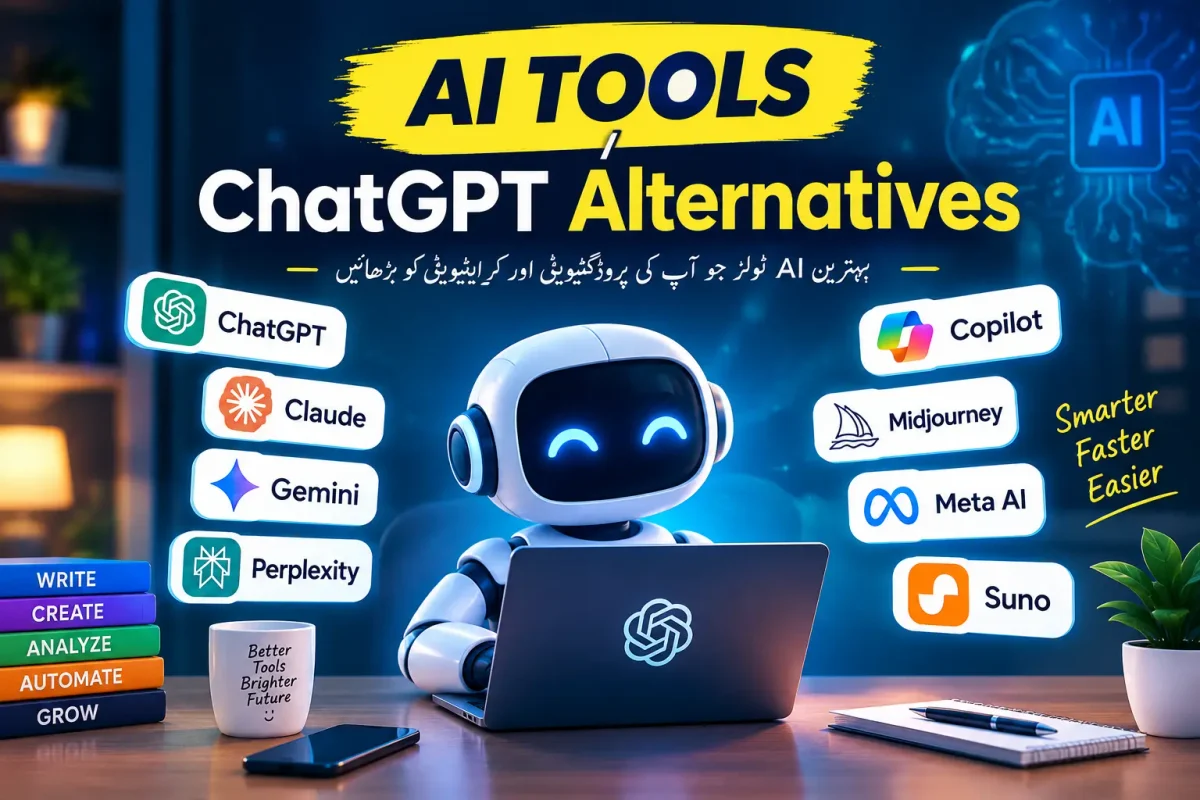
Whether you want a ChatGPT alternative for research, writing, coding, productivity, or everyday questions, there are several tools worth exploring.
In this guide, we cover the best ChatGPT alternatives, major ChatGPT competitors, their strengths, and which AI tool may be the right choice for different users.
What Is ChatGPT?
ChatGPT is a conversational AI assistant designed to understand natural-language instructions and generate useful responses. It can help users with tasks such as writing, brainstorming, summarizing, coding, learning, research, planning, and general problem-solving.
One reason ChatGPT is widely used is its versatility. Instead of focusing on only one type of task, it can support many different workflows from a single interface.
However, different users have different requirements. Some may prefer an AI assistant with stronger research features, while others may need better integration with Google Workspace, Microsoft 365, coding environments, or other services.
That is where ChatGPT alternatives become useful.
What Is a ChatGPT Alternative?
A ChatGPT alternative is another AI-powered assistant or platform that can perform some of the same tasks as ChatGPT.
These tools may offer similar conversational experiences but can differ in areas such as:
- Writing and editing
- Reasoning
- Coding
- Web search
- Research
- Document analysis
- Image and multimodal capabilities
- Productivity integrations
- Privacy controls
- Business features
There is no single AI tool that is perfect for every user. The best option depends on what you want to accomplish.
Why Look for Other AI Tools Like ChatGPT?
There are several reasons users explore other AI tools like ChatGPT
Different Features
AI platforms often prioritize different capabilities. One tool may be better suited to research, while another may provide a stronger workflow for coding or document-based tasks.
Different Strengths
Some AI tools focus on writing and reasoning, while others combine AI with search engines, productivity applications, or social platforms.
Pricing and Access
AI services can have different free and paid plans. Features, usage limits, and availability may also vary by platform.
Specialized Workflows
If you already use Google, Microsoft, coding tools, or other professional software, an AI assistant that integrates with your existing workflow may be more convenient.
Best ChatGPT Alternatives in 2026
Here are some of the most notable alternatives to ChatGPT for different types of users and tasks.
1. Claude
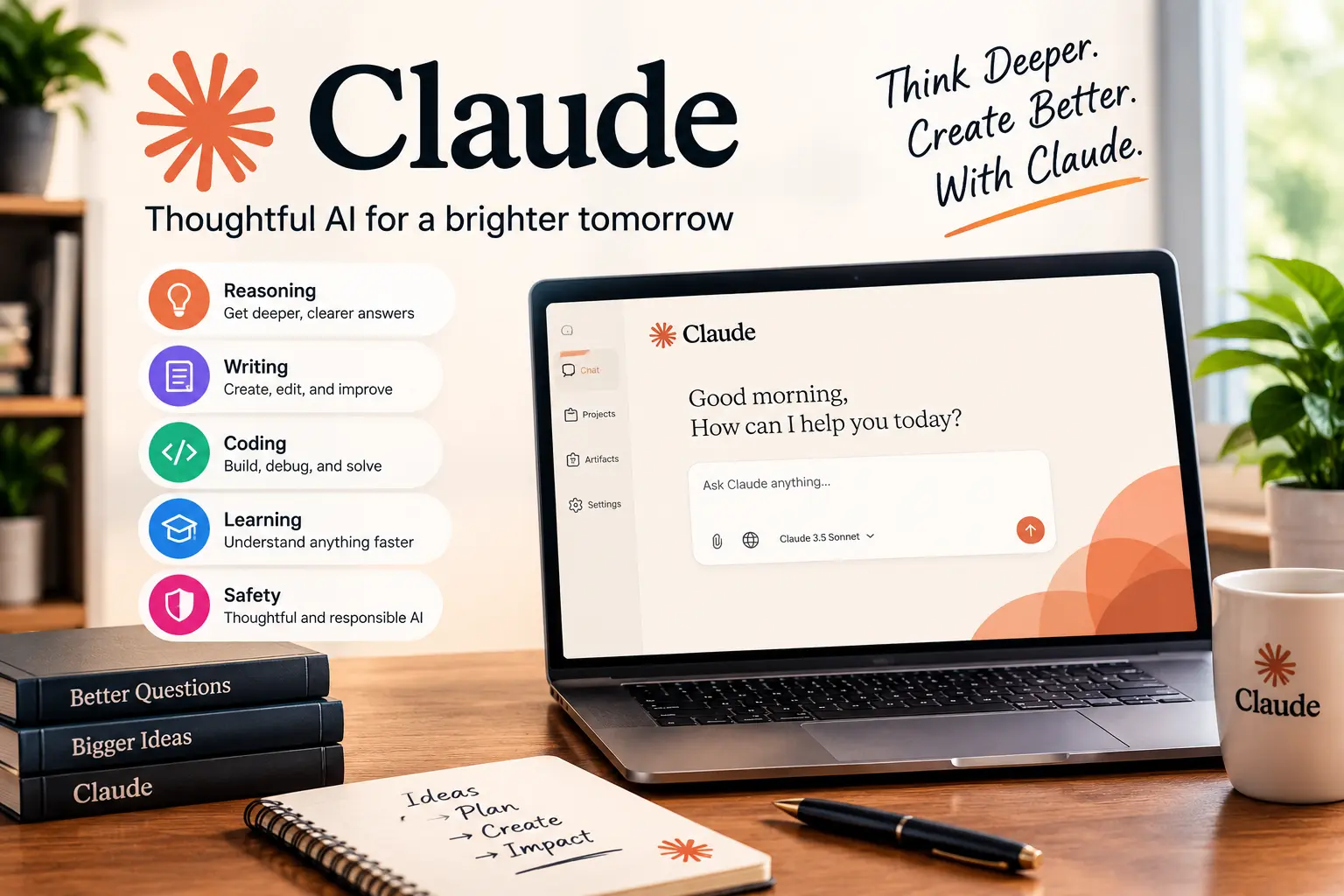
Claude is an AI assistant developed by Anthropic. It is a strong option for users who want help with writing, reasoning, coding, analysis, and professional work.
Claude can be useful for handling long instructions, analyzing documents, developing ideas, and assisting with technical tasks.
Best For
- Professional writing
- Long-form content
- Reasoning
- Coding
- Document analysis
- Business workflows
Why Choose Claude?
Claude is particularly appealing to users who want an AI assistant for detailed writing, analysis, and structured problem-solving. It is one of the major alternatives worth considering when comparing AI assistants.
2. Google Gemini
Google Gemini is Google’s AI platform and is closely connected with the company’s broader ecosystem.
Its integration with Google services makes it an interesting choice for users who already rely heavily on Google’s productivity and information tools.
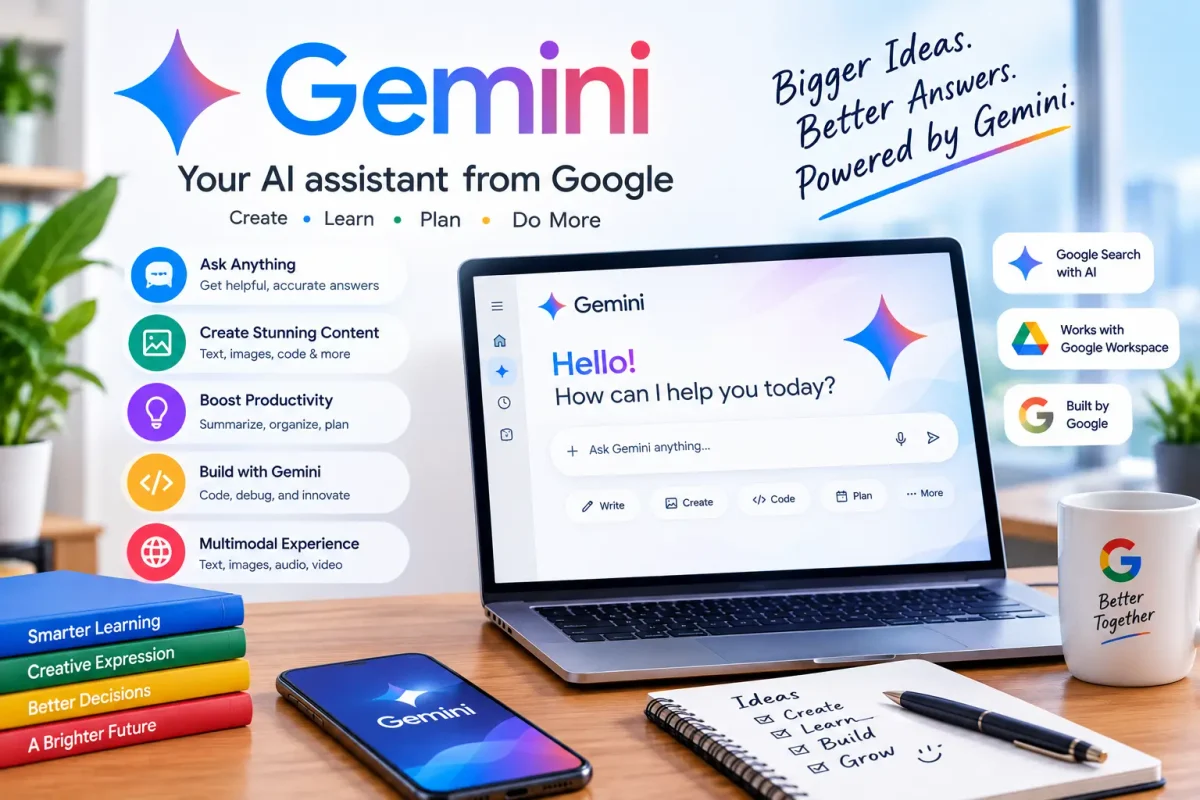
Gemini can assist with writing, research, brainstorming, analysis, coding, and multimodal tasks.
Best For
- Google users
- Students
- Research
- Productivity
- Multimodal tasks
- Everyday AI assistance
Why Choose Gemini?
If your daily workflow already revolves around Google products, Gemini can provide a convenient AI experience within that ecosystem.
3. Microsoft Copilot
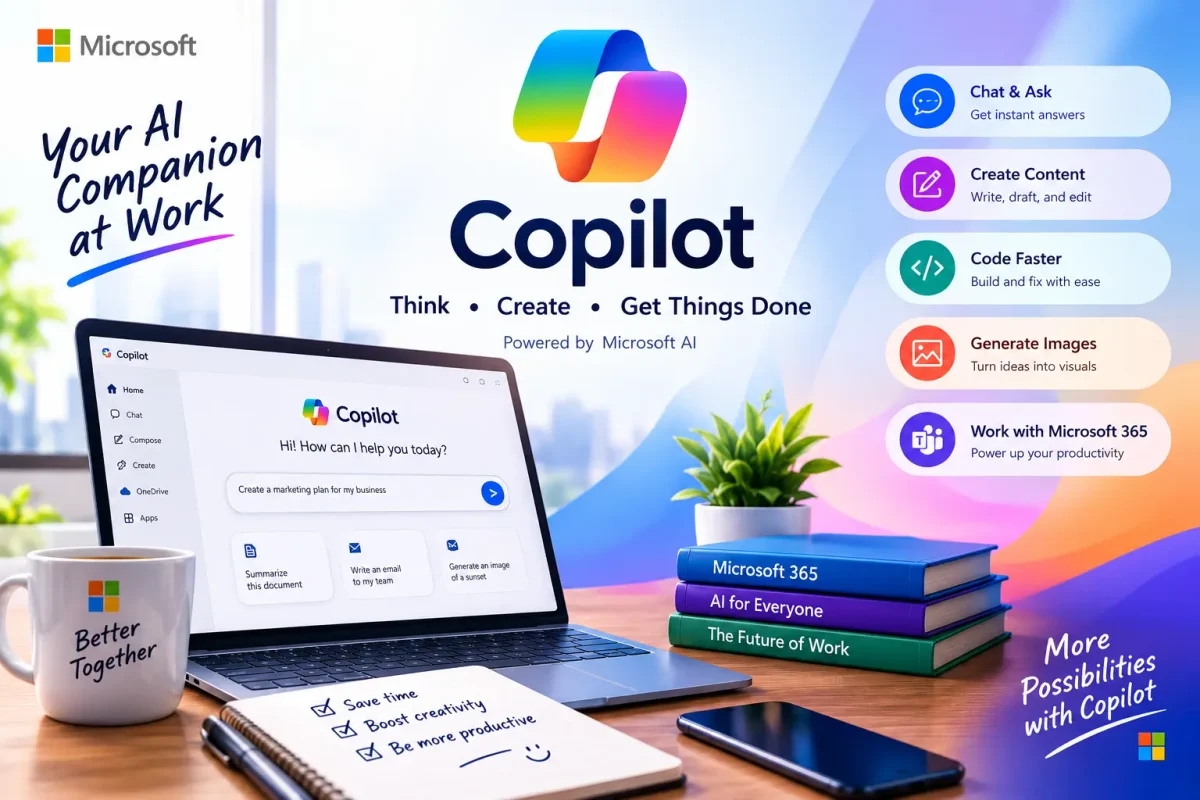
Microsoft Copilot is Microsoft’s AI assistant and is particularly relevant for users working with Microsoft products.
Its integration with Microsoft 365 makes it useful for workplace tasks involving applications such as Word, Excel, PowerPoint, Outlook, and Teams, depending on the available plan and environment.
Best For
- Businesses
- Microsoft 365 users
- Office productivity
- Workplace workflows
- Document and data tasks
Why Choose Copilot?
Users who already depend on Microsoft 365 may find Copilot useful because AI assistance can be connected to familiar productivity applications and workflows.
4. Perplexity
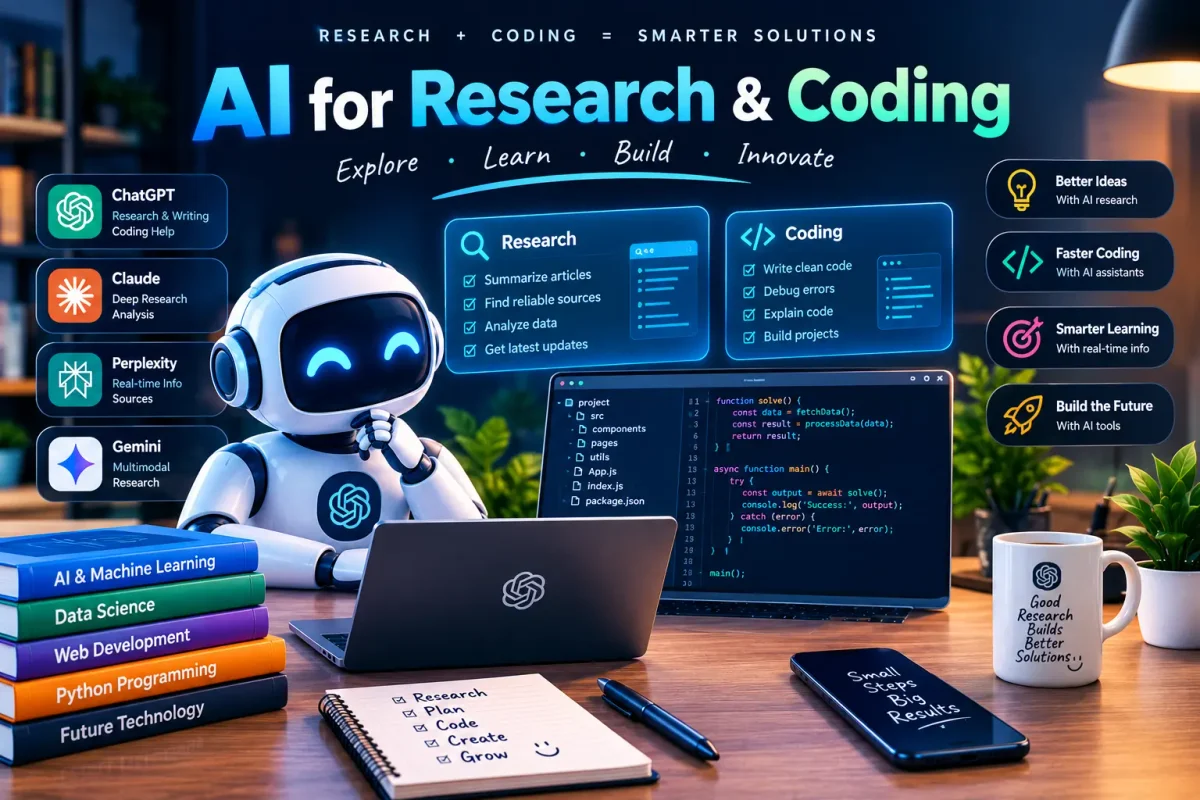
Perplexity takes a different approach from traditional conversational AI assistants. It focuses heavily on AI-powered search and research.
It searches for information and provides answers with sources, making it useful when users want to investigate a topic rather than simply generate text.
Best For
- Research
- Students
- Fact-finding
- Current information
- Source discovery
- Content research
Why Choose Perplexity?
Perplexity can be a strong choice when finding information and reviewing sources is more important than simply having a conversational writing assistant.
5. DeepSeek
DeepSeek is another AI platform that has attracted attention, particularly among technical users and developers.
It can be useful for reasoning, coding, technical questions, and general AI tasks.
Best For
- Developers
- Coding
- Technical questions
- Reasoning
- AI experimentation
Why Choose DeepSeek?
Users interested in technical AI capabilities may want to compare DeepSeek with other major AI assistants before deciding which platform best fits their workflow.
Other ChatGPT Competitors Worth Knowing
The AI market includes several other platforms beyond the five major alternatives discussed above.
Grok
Grok is an AI assistant developed by xAI. It provides conversational AI capabilities and can be useful for general questions, information discovery, brainstorming, and other everyday tasks.
It is worth considering for users who want to explore another conversational AI experience.
Mistral
Mistral is an AI company known for developing AI models and tools for developers and organizations.
It is particularly relevant to users interested in AI development, model flexibility, and technical applications.
Best For
- Developers
- AI experimentation
- Technical users
- Organizations
Meta AI
Meta AI is integrated into Meta’s broader ecosystem and is designed for consumer-focused AI experiences.
It can be useful for people who already use Meta platforms and want AI assistance within that ecosystem.
Best For
- Everyday users
- Social-platform users
- General questions
- Consumer AI experiences
ChatGPT Alternatives Comparison
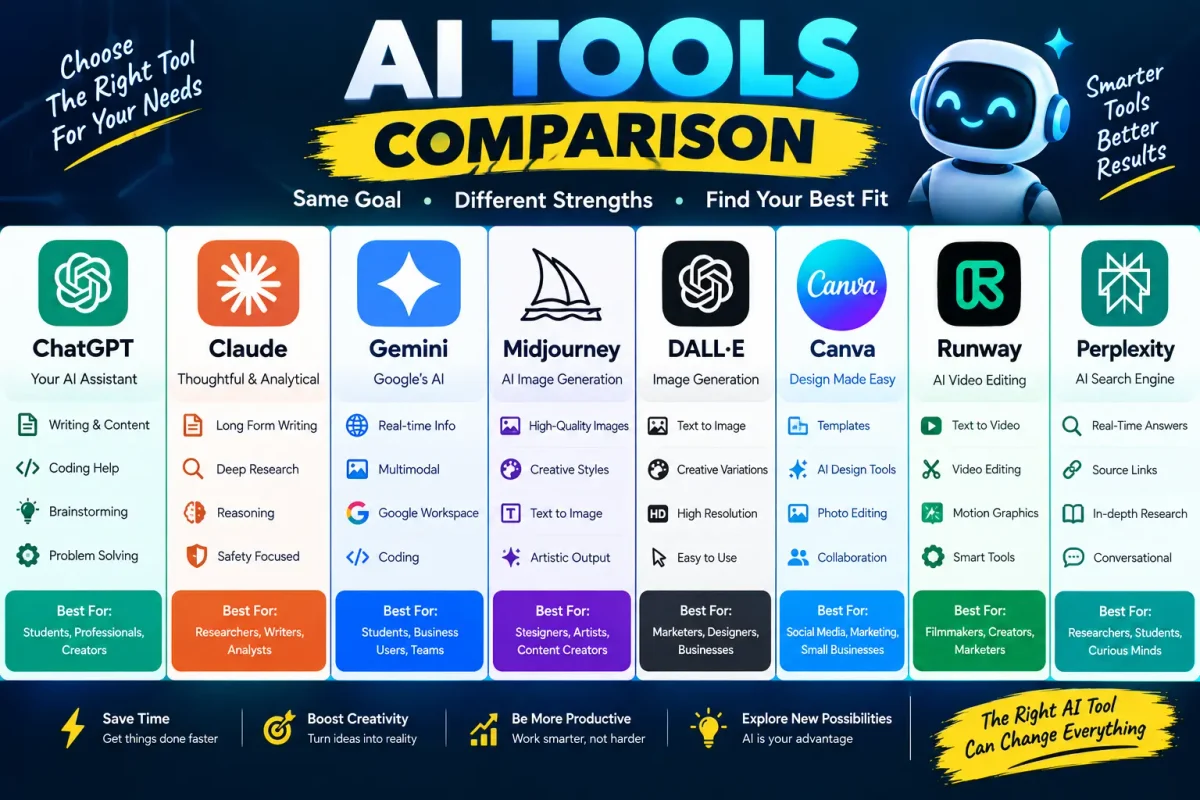
The following table provides a simple overview of the major AI tools discussed in this guide.
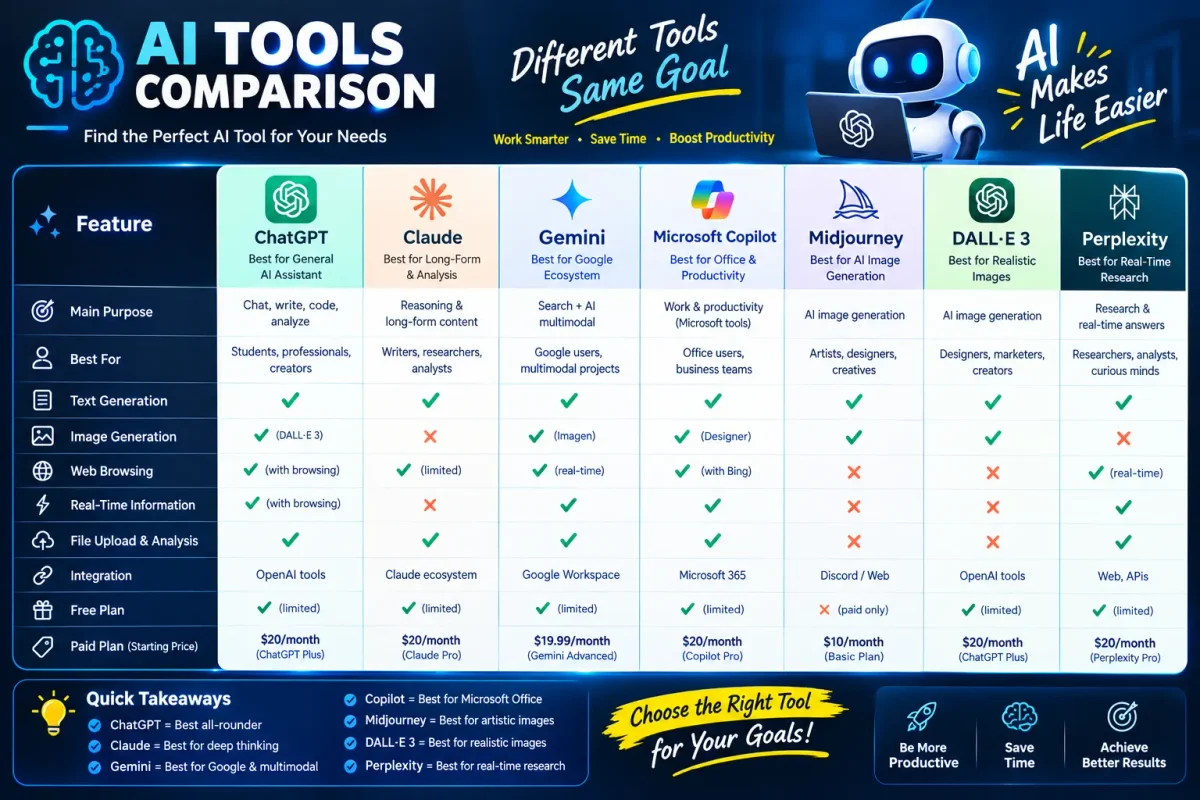
| AI Tool | Primary Use | Main Strength | Best Suited For |
|---|---|---|---|
| ChatGPT | General-purpose AI | Broad range of AI tasks | Everyday users, students, writers, developers, businesses |
| Claude | AI assistant and professional work | Writing, reasoning, coding, document work | Writers, developers, professionals |
| Google Gemini | General AI and Google workflows | Google ecosystem and multimodal capabilities | Google users, students, researchers |
| Microsoft Copilot | Workplace AI | Microsoft 365 integration | Businesses and Microsoft users |
| Perplexity | AI search and research | Web search and source discovery | Researchers, students, marketers |
| DeepSeek | General AI and technical tasks | Coding and reasoning | Developers and technical users |
| Grok | Conversational AI | Conversation and information discovery | General AI users |
| Mistral | AI models and development | Model flexibility and development | Developers and organizations |
| Meta AI | Consumer AI | Meta ecosystem integration | Meta users |
Which ChatGPT Alternative Should You Choose?
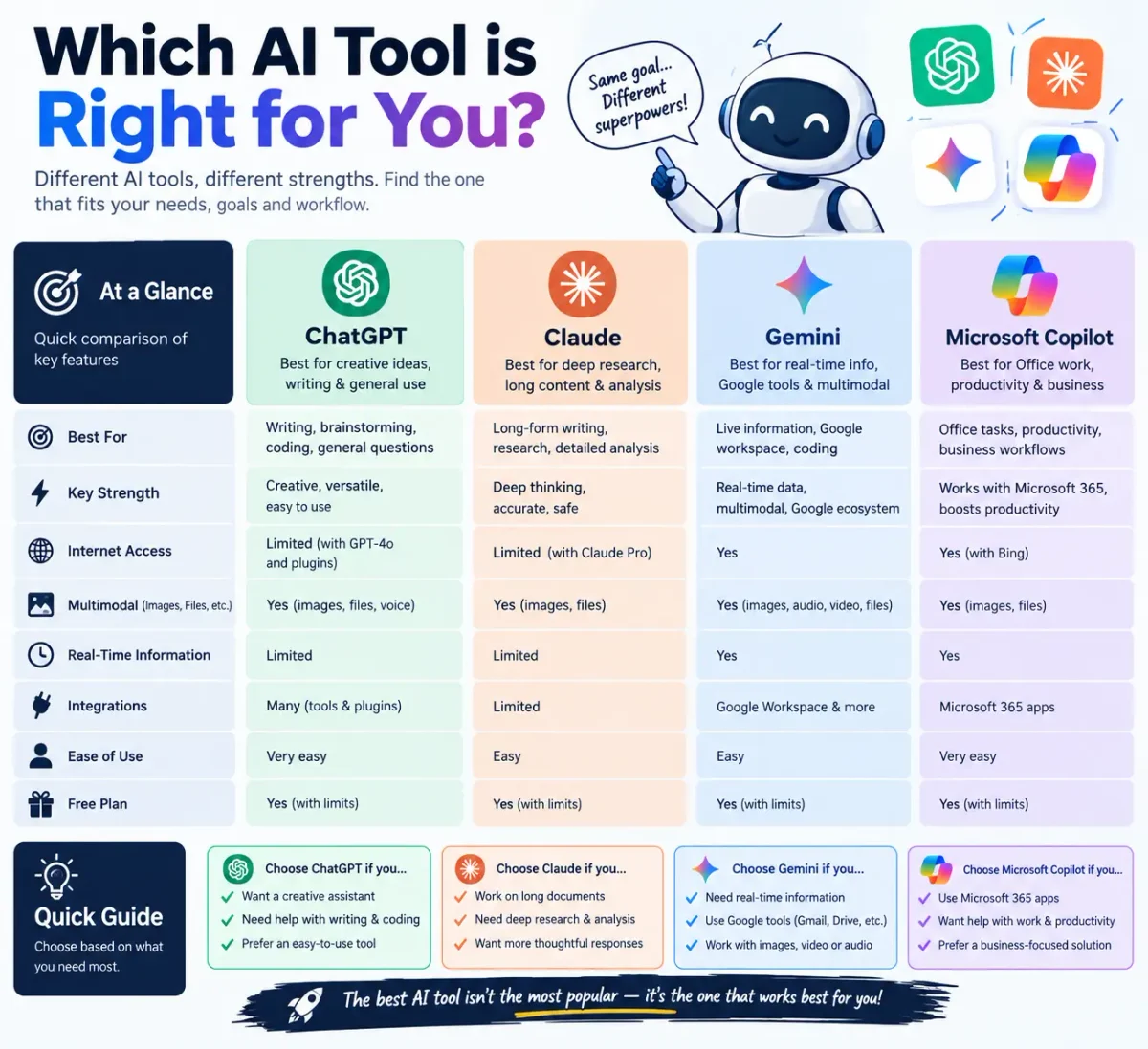
The right ChatGPT alternative depends on your specific goal.
For General AI Tasks
If you need an AI assistant for a wide range of everyday tasks, compare ChatGPT, Claude, and Gemini.
For Writing
Claude can be worth considering if your primary focus is long-form writing, editing, reasoning, or professional content workflows.
For Research
Perplexity is a strong option when web-based research, source discovery, and current information are important.
For Google Users
Gemini may be a convenient choice if you already use Google’s ecosystem extensively.
For Microsoft 365 Users
Copilot can be especially useful for people who work regularly with Microsoft 365 applications.
For Coding
Developers can compare ChatGPT, Claude, Gemini, and DeepSeek based on the programming languages, workflows, integrations, and features they need.
ChatGPT vs Other AI Tools: What’s the Difference?
ChatGPT and its competitors can overlap significantly, but their main workflows can be different.
AI Assistants
ChatGPT, Claude, Gemini, and Grok are designed primarily around conversational interaction. They can support writing, brainstorming, analysis, coding, and general questions.
AI Search and Research
Perplexity puts more emphasis on searching for information and presenting sources alongside answers.
AI Writing Tools
Some AI platforms are especially useful for drafting, rewriting, editing, summarizing, and developing long-form content.
AI Coding Tools
Several modern AI assistants can help developers understand code, debug problems, generate code, and work through technical tasks.
AI Productivity Tools
Copilot and Gemini can be particularly useful when AI assistance is connected to productivity ecosystems and workplace applications.
How to Choose the Best ChatGPT Alternative
Before choosing an AI platform, consider the following factors.
1. Identify Your Purpose
First decide what you actually need AI for.
Are you looking for:
- Writing?
- Research?
- Coding?
- Education?
- Business?
- Marketing?
- Productivity?
- Everyday questions?
Your primary use case should guide your choice.
2. Compare Features
Look at the features that matter most to you, including reasoning, writing, coding, search, document handling, multimodal capabilities, and integrations.
3. Check Free and Paid Plans
Many AI services provide free access alongside paid plans. Compare the features and usage limits available to you rather than choosing based only on price.
4. Consider Privacy and Security
If you plan to use AI for business documents, confidential information, or sensitive workflows, review the platform’s privacy policies and business controls carefully.
5. Look at Integrations
An AI tool becomes more useful when it fits naturally into the software you already use.
For example, Google users may prefer Gemini, while Microsoft 365 users may find Copilot more convenient.
6. Test Before Committing
When possible, try multiple platforms with the same tasks. This gives you a practical comparison based on your own workflow.
Best ChatGPT Alternatives for Different Users
Different users may benefit from different AI platforms.
Students
Students can compare ChatGPT, Gemini, Claude, and Perplexity for explanations, research, brainstorming, summarization, and study assistance.
Writers
Writers may prefer Claude, ChatGPT, or Gemini depending on the type of writing, editing, and brainstorming they need.
Developers
Developers can explore ChatGPT, Claude, Gemini, DeepSeek, and Mistral for coding, debugging, technical explanations, and development workflows.
Marketers
Marketers can use AI tools for keyword research, content planning, competitor research, copywriting, brainstorming, and campaign ideas. The best choice depends on whether research, writing, or productivity is the main requirement.
Businesses
Businesses may benefit from platforms that provide strong productivity integrations, administration options, privacy controls, and collaboration features.
Researchers
Researchers should consider tools that make it easier to find, compare, analyze, and verify information. Perplexity can be particularly useful for source discovery, while general AI assistants can help with analysis and writing.
Frequently Asked Questions
What is the best ChatGPT alternative in 2026?
There is no single best option for everyone. Claude, Gemini, Copilot, Perplexity, and DeepSeek each have different strengths. The best ChatGPT alternative depends on your specific needs.
What AI tools are like ChatGPT?
Popular AI tools like ChatGPT include Claude, Google Gemini, Microsoft Copilot, Perplexity, DeepSeek, Grok, Mistral, and Meta AI.
Who are the main ChatGPT competitors?
Some of the major ChatGPT competitors include Claude, Gemini, Microsoft Copilot, Perplexity, DeepSeek, Grok, Mistral, and Meta AI.
Which AI tool is best for research?
Perplexity is particularly useful for research because its workflow focuses on web search, information discovery, and sources. Other AI assistants can also be useful for analyzing and organizing research.
Which ChatGPT alternative is best for students?
Students can compare ChatGPT, Gemini, Claude, and Perplexity. The right choice depends on whether the student needs explanations, writing assistance, research, or study support.
Which ChatGPT alternative is best for coding?
Claude, ChatGPT, Gemini, and DeepSeek are worth comparing for coding. Your choice should depend on the programming tasks, languages, development environment, and features you need.
Which ChatGPT alternative is best for businesses?
Businesses should evaluate platforms based on productivity integrations, security, privacy controls, administration features, collaboration, and overall workflow compatibility.
Which ChatGPT alternative is best for free use?
Free access and available features can change over time. Compare the current free plans of ChatGPT, Claude, Gemini, Perplexity, and other platforms before making a decision.
Is Perplexity better than ChatGPT for research?
Perplexity can be preferable when your main goal is web research and source discovery. ChatGPT may be more suitable when you want a broader conversational assistant for writing, analysis, coding, and other tasks.
Can I use more than one AI tool?
Yes. Many users combine different AI platforms. For example, you might use one tool for research, another for writing, and another for workplace productivity.
Conclusion
The AI landscape in 2026 offers far more choices than a single chatbot. While ChatGPT remains a versatile general-purpose AI assistant, alternatives such as Claude, Google Gemini, Microsoft Copilot, Perplexity, and DeepSeek provide different strengths and workflows.
Claude can be useful for writing, reasoning, coding, and professional tasks. Gemini is attractive for users within the Google ecosystem. Copilot fits naturally into Microsoft workflows, while Perplexity focuses strongly on AI-powered search and research. DeepSeek is another option worth considering for technical and reasoning-focused tasks.
The best approach is not simply to find one tool and assume it is universally better. Instead, identify your main goal, compare relevant features, consider pricing and privacy, and test the platforms that match your workflow.
Whether you need a ChatGPT alternative, want to compare the best ChatGPT alternatives, or are simply exploring AI tools like ChatGPT, the right choice is the one that helps you accomplish your specific tasks efficiently.